Radio Public Relations

Radio remains one of the UK’s most trusted, far-reaching and influential media channels.

Every week, 86% of UK adults tune in to radio at least once a week – that equates to about 50.1 million weekly listeners across national and regional stations — making it an essential route to reach audiences at scale, with credibility and immediacy.

As a leading UK Radio PR agency, we design and deliver journalist-led radio days and campaigns that cut through. Whether you want national visibility, regional depth, or tightly controlled messaging, our team ensures your story reaches the right audiences at the right time — with guaranteed results.

Get in touch

Watch our video to learn more

About

We are broadcast PR experts

We’re different from traditional PR agencies. We believe we are the only agency whose team is made up of former BBC and commercial radio journalists, producers and newsroom decision-makers. We understand exactly what broadcast outlets want, how to shape a compelling on-air story, and how to land an interview when the running orders are tight.

This isn’t guesswork — it’s newsroom logic applied to PR.

And because of that insight, we offer something many agencies don’t:

A coverage guarantee.

Every radio day we run delivers at least:

  • 10–12 radio interview opportunities, across BBC and commercial stations
  • A minimum reach of one million listeners
  • At least 1–2 national radio bookings

Most campaigns overperform, often achieving 15–20 interviews with many reaching multi-million strong weekly audiences.

If you need reliable broadcast coverage, this is the most dependable PR service available.

Strategic advice

A Tailored Approach for PR & Comms Teams

Every brand and every PR brief is different. That’s why we start by asking a simple but strategic question:

What matters most to you?

Choose two out of five key priorities:

  1. Number of interviews
  2. Quality of stations
  3. Number of key messages delivered
  4. Number of brand mentions
  5. Audience reach

Your choices shape the entire campaign strategy. For example:

  • If messaging matters most, we secure more live interviews, which offer longer airtime and better narrative control.
  • If reach is the priority, we widen the pitching scope across music, speech and regional stations with the biggest audiences.
  • If top-tier stations are essential, we sharpen the angle, strengthen the data, and position the right spokesperson to fit national programming requirements.

We frequently prepare multiple press releases, tailored to different outlets and spokespeople — a proven method for increasing both quality and volume of coverage.

Testimonial

What our clients say

Belinda Goldsmith

Author and journalist

The team at Shout! Communications was professional, effective, and great to work with. Their knowledge and reach across the broadcast world was remarkable and the publicity they managed to get for a small, self-published book was astonishing. Highly recommended this stellar team.

Dr Sarah Cox

President Support, Association for Palliative Medicine of Great Britain and Ireland

As a media novice, I was anxious about a new role which involved appearances on TV and radio. The training was incredibly useful and supportive, helping me develop my skills and communicate confidently.

A Trusted Partner

Some of the brands we’ve supported

Got Questions?

FAQs

What Is a Radio Day?

A radio day is an organised schedule of interviews where your spokesperson speaks directly to radio stations across the UK — national, regional and local.

Interviews can be:

  • Live (ideal for strong messaging and editorial depth)
  • Pre-recorded
  • Down-the-line remote interviews via FaceTime or Zoom

Radio days are one of the fastest ways to deliver guaranteed reach while maintaining strong editorial credibility. With audiences fragmented across digital, radio remains a unified, trusted voice.

What’s Included in Our Radio Day Service?

Our radio days are built to be comprehensive, stress-free and measurable. Each campaign includes:

1. Pre-campaign consultation

We help you shape a broadcast-ready story, including:

  • Strategic messaging
  • Data sourcing and research (we can do this for you)
  • Story development and narrative framing
  • Spokesperson sourcing, briefing and contracts
  • Support with timings and media strategy

2. Press release drafting

We often produce multiple versions, tailored for:

  • National programmes
  • Regional shows
  • BBC vs commercial
  • Different spokespeople
  • Specialist beats (e.g. health, consumer, tech, finance)

3. Full sell-in to UK stations

We pitch your story to:

  • All relevant BBC outlets
  • All commercial radio networks
  • National, regional and local programmes
  • Speech and music-based stations
  • Producers, editors and news teams

4. Guaranteed broadcast coverage

At least:

  • 10–12 interviews
  • All stations targeted are monitored by RAJAR and have a weekly reach of at least 50 million listeners.
  • 1 million listener reach
  • 1–2 national bookings

But typically much more.

5. Producer & sound engineer support

You receive:

  • A dedicated producer managing the full radio day
  • A sound engineer for quality control
  • Unlimited interview slots

6. Thirty minutes of complimentary media training

Prior to the radio day we offer half an hour of media training to all spokespeople – a great opportunity to try out key messages, raise confidence and iron out any nerves.

7. A national sweep

We check the network for stations using your pre-recorded audio or press copy, even if they did not conduct a live interview.

8. Audio files & coverage report

You receive all:

  • Interview recordings
  • Coverage analytics
  • Reach data
  • National pick-ups
  • Podcast file

9. Complimentary highlights audio package

Once the final interview has concluded we produce a short highlights package, around 1 – 2 minutes long, featuring some of the best interview clips and most impressive station identities. It gives an overview of the campaign, including the most important key messages, which can be passed onto a boss without them needing to listen to every bit of audio.

10. Syndicated interview, distributed to smaller stations

There is also an option for a syndicated interview, which involves us recording and editing interviews with spokespeople. This is then distributed to around 500 smaller commercial radio stations that we have confirmed take PR generated content. These stations have a smaller reach and are not included in the database we use for our regular radio days. They can however extend the shelf life of your story.

Why Radio PR Works for Brands?

Radio is uniquely powerful:

  • Trusted by UK audiences
  • Affordable and reassuringly predictable for PR teams
  • Fast-turnaround compared with TV
  • Highly targeted geographically and demographically
  • Editorially credible, unlike paid advertising

For UK PR and comms teams under pressure to demonstrate ROI, radio PR offers a blend of guaranteed reach, strong messaging, and insight-driven storytelling.

If you need a reliable broadcast strategy — or you want a story on air this month — a radio day is the most efficient path to high-impact earned media.

Radio Days In The Years Post COVID-19 — A More Flexible Approach

Since the pandemic in 2020 remote interviews have been embraced by broadcastesr permanently, and that shift has transformed radio PR:

  • BBC stations favour FaceTime via iPhone
  • Commercial stations often opt for Zoom
  • Audio quality remains broadcast-standard
  • Spokespeople can now dial in from anywhere

This flexibility removes the need for physical studio bookings and makes radio days easier, faster, cheaper and more convenient.

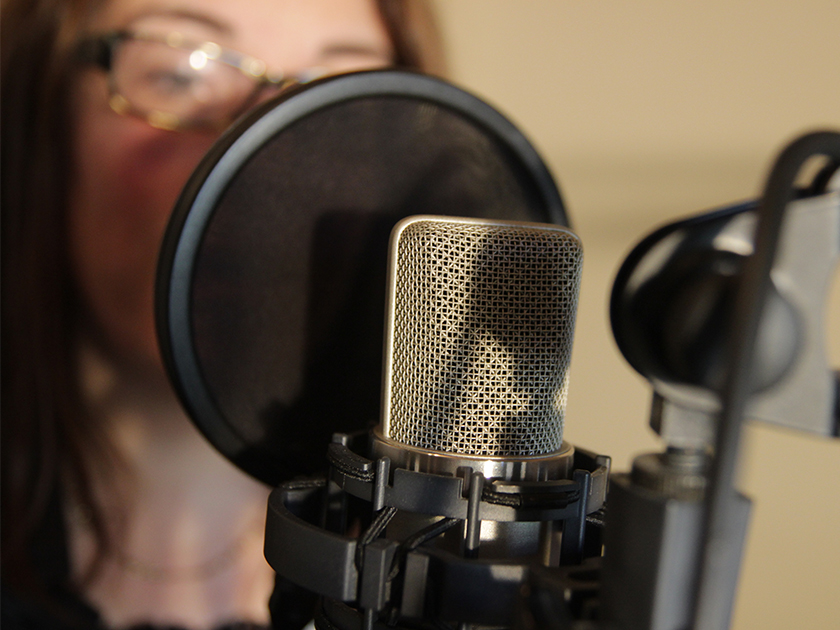
For brands wanting technical support for spokespeople, we also offer a portable, pop-up radio studio that can be installed in your office, agency, home or hotel — delivering studio-quality sound wherever suits you best. Our pop-up service is also invaluable if the same spokesperson is required for both radio and TV interviews, the latter for which they are expected to go into a studio. We bring the pop-up studio as close as possible to the spokesperson so they don’t lose any interviews as they travel to the TV studio.

Back to top of main content