




UK TV PR Agency – Broadcast Ready Coverage for Brands

Television PR is often considered the “icing on the cake” for any communications campaign. The reach, credibility, and influence of TV make it one of the most powerful platforms for brands, businesses, and spokespeople looking to communicate with a broad, engaged audience. At Shout Communications, we combine journalistic expertise with PR strategy to secure compelling opportunities for clients on national, regional, and global television outlets.

Our team’s background as former broadcast journalists gives us unique insight into what makes a story work on TV, from visual impact to narrative structure, and how to navigate the fast-moving broadcast news environment. For clients, this translates into editorial coverage that cuts through the noise, engages audiences, and positions your brand at the heart of the conversation.

Get in touch

Watch our video to learn more

About

Television Expertise

Our team’s broadcast journalism experience informs every aspect of our TV PR service.

We know what makes a visual story compelling, the types of visuals that resonate with editors, and how to craft angles that are broadcast-ready from the start. Over the years, we have built strong relationships with contacts across the UK’s national and regional television networks, and we’ve done the same internationally, enabling us to pitch stories with confidence and credibility.

We offer both proactive and reactive TV PR strategies. Proactive campaigns position your brand with planned stories and visuals, while reactive campaigns allow you to hijack breaking news and trending stories, creating opportunities for spokespeople to appear on-air in real-time.

Our approach covers every aspect of TV PR:

  • Identifying the channels and programmes most aligned with your target audience
  • Advising on the ideal spokespeople, filming opportunities, and locations
  • Producing B-roll and additional footage to ensure broadcasters have usable visuals
  • Maximising coverage across regional, national, and global stations

Visuals

It’s all about the pictures

Television is a visual medium, and high-quality visuals are essential to securing coverage. While journalists prefer filming their own footage, providing B-roll can dramatically increase your chances of broadcast success.

B-roll is 6–8 minutes of pre-edited footage supplied to broadcasters, free of copyright concerns, ready to be integrated into packages. It’s produced by brands by video production agencies like Shout! Communications. Since the pandemic, B-roll has become particularly invaluable, allowing TV newsrooms to run stories without deploying crews.

Journalist produced footage. When live filming is possible, we advise on camera angles, locations, and storyboarding to provide the most engaging visuals.

Case studies also play a crucial role. Personal stories illustrate abstract research or statistics, making your story more relatable. For example, a research-based story about a health condition can be anchored by one individual’s experience, providing compelling visuals and narrative for broadcast segments.

Top Tips

Securing television PR coverage

  1. Summarise the Story in a Sentence: Broadcast stories are short—often 30 seconds for a voiceover (where the news presenter speaks over floating video pictures), 90 seconds for pre-recorded packages, or a few minutes for live interviews. Being able to clearly sum up the story ensures your campaign is TV-ready.
  2. Hold Your Nerve: TV news is unpredictable. Decisions to run stories can happen at the last minute due to breaking news. Flexibility and preparedness are key.
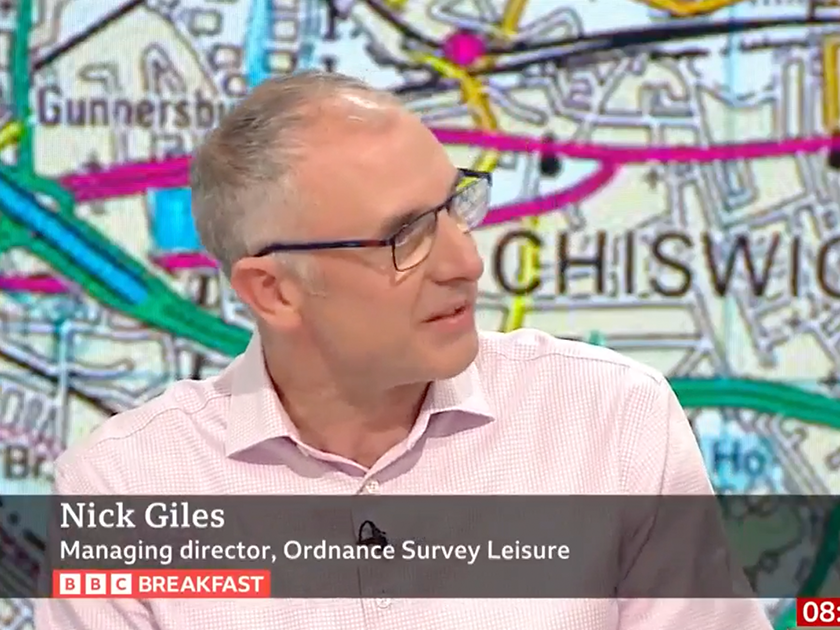
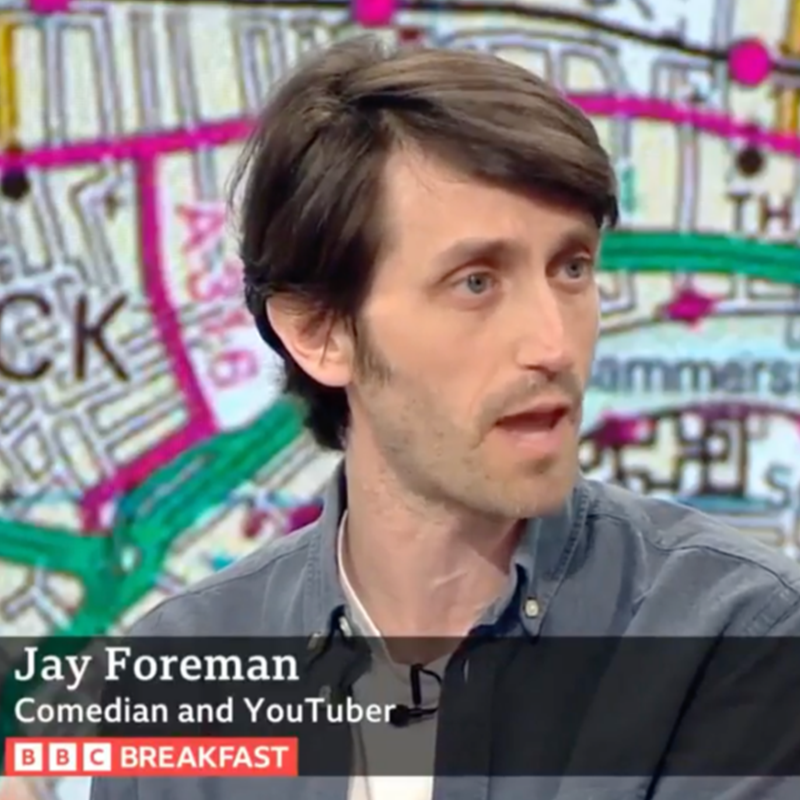
  3. Multiple Spokespeople: Having more than one spokesperson allows for simultaneous interviews across different programmes, particularly national morning shows like BBC Breakfast and ITV’s Good Morning Britain.
  4. Target the Right Audience: Identify which programmes will reach your desired demographic. For women, lifestyle shows may be ideal; for industry professionals, business slots on Newsnight or BBC News Channel may be more suitable.

Broadcast TV opportunities

Types of TV PR Coverage

  • National TV: Early-day placements often perform best. Breakfast and daytime shows usually plan part of their schedule in advance, giving well-prepared campaigns a strong chance of inclusion.
  • Regional TV: Regional stories require local angles, spokespeople, and statistics. Even when national stories are adapted for a region, it’s important to provide content relevant to that local audience.
  • Global TV: We pitch English-language stories to broadcasters worldwide, and we have particular experience in the USA. This includes broadcasters based in specific countries and television wires that distribute content around the world.
  • Online TV Channels: Streaming services and YouTube channels like Talk and Piers Morgan’s Uncensored provide additional avenues for reaching engaged audiences beyond traditional linear broadcast.

Planning for TV PR

How TV PR Differs from Radio PR

Television is more logistically complex than radio. There are fewer outlets, higher production demands, and live interviews often require presence in multiple studios across the UK. While radio guarantees a minimum coverage level, TV coverage is more variable, though higher-impact.

Certain story types also perform better on radio. For instance, survey-based research often works well on radio due to listener engagement, but may be less visually appealing for TV unless supported by B-roll or case studies.

Planning for television PR

Next Steps for TV PR Success

Before launching a campaign, ask yourself:

  • What is the story? Can it be summarised in a single, clear sentence?
  • Does it have talkability? The story should be engaging, significant, unusual, or entertaining.
  • What visuals are available? Can you provide filming access, stunts, products, or B-roll footage?
  • Who are your spokespeople, and where are they based? National campaigns often require multiple spokespeople in London, Manchester, or Leeds (BBC Breakfast is based in Manchester and Channel 4 News in Leeds, but all broadcasters are keen to film outside London where possible, so as not to be accused of having a London bias). Consider using third-party spokespeople or brand ambassadors if internal availability is limited.

Securing television coverage requires preparation, strong storytelling, and flexibility. The fewer the outlets, the higher the stakes—but with the right strategy, the results can be transformative for your campaign.

Expert Guidance

Why Shout! Communications?

As a leading UK TV PR agency, we combine journalistic expertise with strategic PR insight. We know how to craft stories, produce compelling visuals, and navigate complex broadcast schedules to deliver maximum impact. Our proactive and reactive approaches ensure clients have the best chance of editorial coverage, whether on national, regional, or online TV channels.

Get in touch to discuss your TV PR campaign and find out how we can turn your story into broadcast coverage that resonates with audiences across the UK and beyond.

Testimonial

What our clients say

Julia Evans

Head of Media & Communications, Spear (formerly known as Resurgo)

Shout! Communications came in to train our senior team. As an established charity, we know our area well, but the training enabled us to see how to communicate for the media audience, e.g. using less jargon and thinking about what points we want to get across ahead of time. The combination of theory with practice was perfect and enabled the team to step out of their comfort zone to practise in a safe space. We can’t wait to get stuck in!

Asif Hussain

Founder and CEO, SKT Welfare

Over the past year, Shout! Communications has been a trusted PR partner for us. They consistently deliver quick turnarounds, secure interviews with major news networks, and stay closely engaged throughout the process. They're extremely responsive and their professionalism and approach have made a real difference to our media presence. They've truly been wonderful to work with!

A Trusted Partner

Some of the brands we’ve supported

Got questions?

FAQs

Can you guarantee TV coverage?

Unlike radio, television is too unpredictable for us to guarantee coverage. News and daytime programming (where you have the best chances of coverage) are time limited and the running order will always give way to organic, breaking news stories.

That said, as former TV journalists ourselves we can give you a very good steer on whether your story is likely to make it on-air. Call it a gut feeling, but when you’ve worked in a TV newsroom and made the decision about whether to take a PR generated story or not, you can normally call it.

Having a strong top line, good visuals and a peg for the story (a reason to run it on a particular day) will dramatically increase your chances.

Is Television PR expensive?

Despite the perception that it is, our packages offer fantastic value for money.

We understand that every client wants to know they’re getting a good return on their money. For that reason we offer television either as a pay-on-results package, if commissioned alongside another of our services. Or, if you want television as a stand alone service we ask for a modest selling-in fee then charge on a pay-on-results basis, up to an agreed ceiling.

Television, more than any other media, has wide reaching audiences, it brings a story to life and it influences other media too. So, in answer to the question, not for what you get!

Where do you do a television interview?

Some interviews still happen online, mainly on Zoom – a legacy of the Covid-19. But increasingly television journalists prefer their guests to come into their studios. Studio interviews make for better content, both for broadcasters and PR spokespeople. First of all you have body language to respond too; secondly you generally get given a bit more air-time.

Remember, not all TV studios are in London. BBC breakfast is in Salford, near Manchester and Channel 4 News is in Leeds.

How long do you need to sell-in a television campaign?

At least a week, but ideally more like 7 or 8 working days. The best route to help get a story on television is to get it on a planning list. TV journalists have lots of lists, and it’s easier to get a story on the weekly list than it is the day before, or on the day ones.

We’d be very lucky if that’s all it took; that’s just the start of the process. As a leading UK television PR agency, we use our extensive network of contacts to speak to producers, editors and correspondents in order to clinch the coverage.

What about brand mentions?

Television is very particular about what you can and can’t do. The BBC must adhere to its Producer Guidelines and is not allowed to give any air-time that might look like an advert. The commercial sector meanwhile has its own advertisers, who don’t want to pay rates just to see another brand get airtime for free.

But obviously brands won’t partake in PR activity if they don’t get anything in return and broadcasters, who now rely on on at least some PR generated content each day, know this. But it’s a fine line to be drawn.

Our guidance is to expect one credit per piece of coverage, which could be visual (perhaps in a graphic or a logo that’s in shot) or audible (mentioned by the newscaster). When we sell in we have this conversation with the journalist at the beginning of the process and, where possible, get the arrangement confirmed in writing.

Do I need to be media trained to go on TV?

Television opportunities are hard won so it would be a shame not to make the most of each one you get. Media training teaches you how to combine two things: how to give a journalist the content they want, at the same time as communicating your key messages.

The majority of corporate spokespeople on television ARE media trained. Don’t stand out for the wrong reasons.

When do television PR stories tend to land?

The earlier in the day, the better the chances of coverage. That’s because as the day goes on, and the world wakes up, there are more organic stories to compete with. That’s why you’re more likely to get coverage on breakfast shows, such as BBC Breakfast, ITV’s GMB or Sky News Breakfast than evening or late night news.

A large proportion of each breakfast show will be arranged the day before. If an organic story breaks early in the morning another story will be dropped to make way for it – but the chances of this happening are only small.

Does TV like an exclusive?

ITV daytime in particular This Morning and Loose Women love an exclusive and fight hard to secure celebrities and personalities to appear on their shows but agreeing to an exclusive can be a high-risk strategy. This is because if there is a breaking news story or a more high-profile guest offered, they are likely to drop your interview – leaving the brand with no coverage.

For news programmes like BBC Breakfast or Sky News our advice is not to offer an exclusive but to consider offering some exclusive elements a case study or some data which is only available to them. Having a spokesperson that is not readily available to news outlets is another way of bypassing the need for an exclusive. It’s better in our opinion to secure as much potential coverage as possible rather than putting all your eggs in one basket.

Back to top of main content